Engine diagnostics in Coburg North
A light on the dash is a symptom. Diagnostics is the work of finding what is actually causing it, before anyone spends your money on parts.
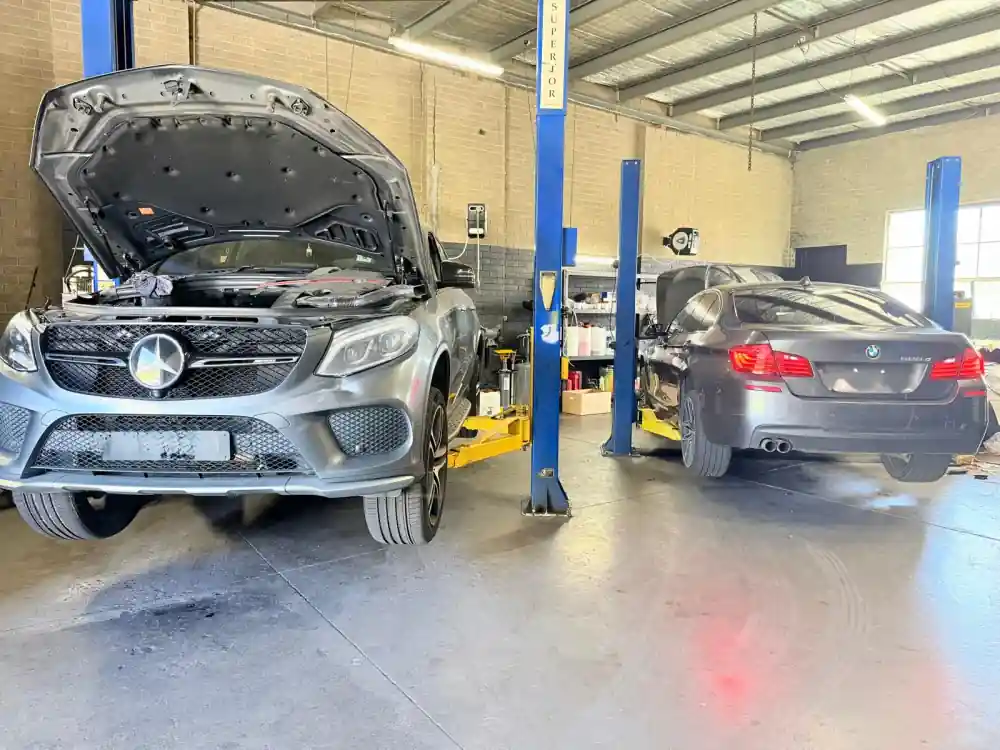
A scan tool reads the code the car has stored. That code names a circuit, not a faulty part, and the difference between the two is where most wasted money goes. We read it, then test the wiring, the sensor and the mechanical side until the answer stops being a guess.
Bring it in as soon as the light appears. A fault that is intermittent on Monday is usually cheaper than the same fault after another month of driving on it.
A code is a clue, not a diagnosis
Say the car stores a code for a lean running engine. That single code can come from a split intake hose, a tired oxygen sensor, a dirty air flow sensor, a weak fuel pump or an exhaust leak ahead of the sensor. Replacing the part named in the code only helps if that part is the one that failed.
So the scan is where the job starts, not where it finishes. After it we look at live data while the engine runs, check the circuit with a multimeter, and drive the car if the fault only shows up under load.
When the cause is clear you get a plain explanation of what failed, what it takes to fix it and what happens if you leave it a while longer.
Bring it in when you notice
A catalytic converter can be wrecked in one short drive by a misfire bad enough to make the light flash, because unburnt fuel is going straight into the exhaust. If yours is flashing, stop and ring us.
- Check engine light, steady or flashing
- Rough idle or a stumble pulling away
- Fuel use climbing for no obvious reason
- A misfire you can feel through the seat
- The car dropping into limp mode
- Warning lights that come and go
- Hard starting when the engine is hot
How we work through a fault
You describe it
Cold or hot, city or freeway, every day or once a week. What you noticed narrows the search more than most people expect.
Scan and record
Stored and pending codes, freeze frame data and the modules that logged them, written down before anything is cleared.
Test the circuit
Live data, a multimeter on the wiring and the part itself, so we know whether the sensor lied or the engine really is doing what it reported.
Confirm and quote
You get the cause, the fix and the price. Repairs go ahead only once you have said yes.
Not every fault stores a code
Plenty of the cars we chase have nothing on the scan tool at all. A noise at low speed, a vibration at 80, a smell after a long drive or a battery that keeps going flat will not always set a code, and none of them mean the car is fine.
That work is the same work: reproduce the fault, test the system around it, rule things out in order. It just starts with a road test instead of a scan.
What diagnostics costs
Time is what you are paying for, and how much depends on how well the fault behaves. A code that reproduces every time is a short job. An intermittent electrical fault can take considerably longer. Call 0451 109 786, describe what the car is doing, and we will tell you where it is likely to sit before you book.