

Logbook service or basic service, which do I need?
Updated 18 Sept 20265 minute readBy AutoworkX, Coburg North
A logbook service follows the schedule in your manufacturer's book for that interval, so it keeps the warranty record intact. A basic service is an oil and filter change with a safety check. Only one produces the history a manufacturer asks to see, so on a car still under warranty the logbook service is the one to book.
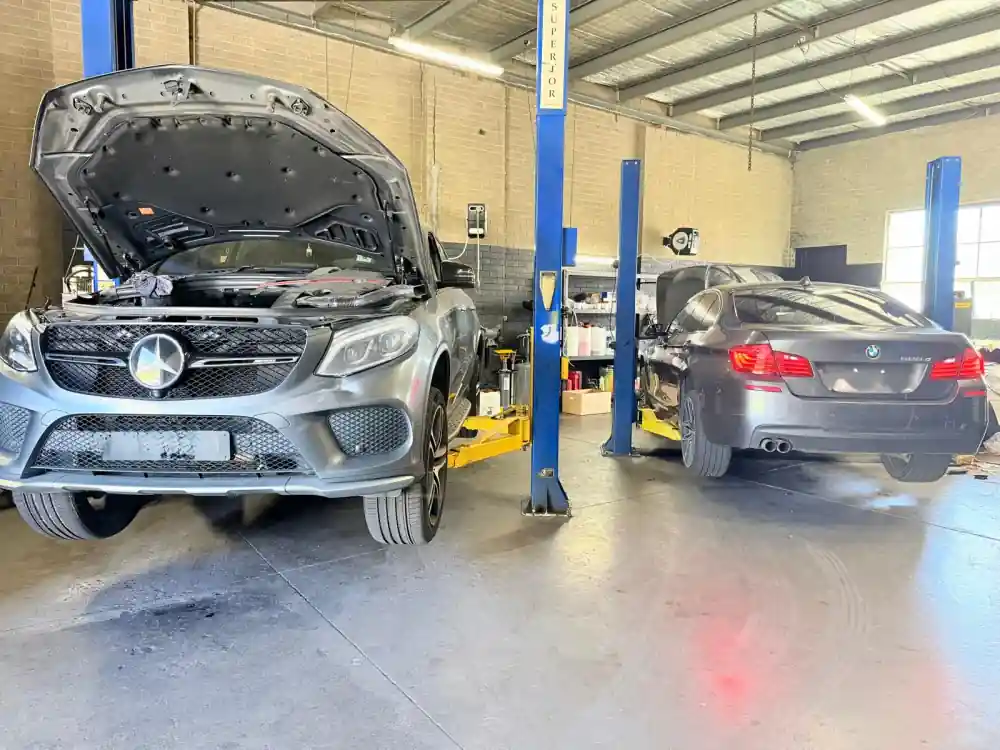
The difference is the schedule, not the quality of the work
Both jobs are done by the same mechanic on the same hoist with the same oils. What separates them is what the job is measured against. A basic service is measured against common sense: drain the oil, fit a new filter, check the things that wear. A logbook service is measured against a document, and that document is different for a small turbo hatch than it is for a mid size petrol sedan, and different again at each interval.
That is why the two jobs can cost different amounts on two cars that look alike. One book asks for spark plugs and a fuel filter at this interval, the other asks for an oil change and an inspection. Neither workshop is padding the bill. The schedule is simply asking for more that year.
What a basic service covers
A basic service, sometimes called a minor or interim service, keeps the oil fresh and puts eyes on the car between bigger jobs. It usually covers:
- Engine oil drained and replaced with the grade the engine calls for
- A new oil filter, and the sump plug washer with it
- Fluid levels topped up: coolant, brake fluid, washers, power steering where it is not electric
- Tyre condition, tread depth and pressures, including the spare
- A look at the brakes, belts, hoses, battery and lights
- A road test and a written note of anything that needs attention
It is the right job for an older car that is out of warranty, for a second car that does short runs, or for a driver who wants oil changed more often than the book asks for.
What a logbook service adds on top
A logbook service starts with everything above, then carries out the specific items the manufacturer lists for the interval your car has reached. Depending on the make, model and kilometres, that can include:
- Cabin and engine air filters at the interval the book names
- Spark plugs, and on a diesel the fuel filter, at the kilometres listed
- Brake fluid replacement on a time basis rather than a distance one
- Coolant, transmission or differential fluid where the schedule calls for it
- Timing belt inspection or replacement on the engines that use one
- A stamped book and an itemised invoice naming every part and fluid
The last line is the one people underestimate. The work is only half of it. The record is what you produce later if a warranty claim is ever questioned, and a car with no paper book in the glovebox has nothing else to show.
Side by side
| Basic service | Logbook service | |
|---|---|---|
| Oil and oil filter | Yes | Yes |
| Safety inspection and road test | Yes | Yes |
| Extra items set by the manufacturer | No | Yes, for that interval |
| Book stamped | No | Yes |
| Supports a new car warranty claim | No | Yes |
| Best for | Older cars out of warranty | Cars still inside the warranty period |
Read the table by the last two rows. If the car is still under a manufacturer's warranty, the schedule and the stamp are not optional extras, they are the whole point. If it is not, you are free to choose the work on its merits.
Work out which camp your car is in before you book
Look up two things before you book. First, whether the car is still inside its manufacturer's warranty or a capped price plan. Second, which interval the odometer is about to reach, because that decides what the book asks for.
- Still under warranty: book the logbook service and keep every invoice with the book.
- Out of warranty but you plan to sell: keep the logbook going, since a buyer will ask for the history.
- Out of warranty and keeping the car: a basic service between logbook intervals is a reasonable way to look after an engine that does short trips.
If you are not sure which camp you are in, bring the book or send a photo of the service pages with the kilometres on the dash. It takes a minute to work out which interval is next.
The interval closes on time as well as on distance
Book when the windscreen sticker comes around or the service light appears, and do not let the calendar run past the interval either. The warranty guide sets out the time rule in full. The short version is that oil and brake fluid age in the sump and the lines whether or not the car is driven.
Have the logbook and the odometer reading in front of you when you call, or bring the book in with the car. That is enough to quote the interval before any work starts, so you know what the schedule is asking for on this visit rather than finding out at pickup.